Guam Real Estate and Community News

April 25, 2026

Guam OHA

Understanding Guam Military OHA Procedures: A Comprehensive 2026 Guide

Navigating Housing for Andersen AFB, Camp Blaz, and Naval Base Guam.

When stationed in Guam, understanding the Overseas Housing Allowance (OHA) procedures is crucial for military personnel and their families. OHA helps offset the cost of housing abroad, ensuring that military members can find and afford suitable accommodations. Click the tabs below to explore each section of our guide.

What is Overseas Housing Allowance (OHA)?

Overseas Housing Allowance (OHA) is a crucial financial benefit for military personnel stationed outside the continental United States (OCONUS), including Guam. The purpose of OHA is to help cover the costs of renting private housing in overseas locations where government quarters are not available.

Unlike the Basic Allowance for Housing (BAH), which is used stateside, OHA is specifically designed to address the unique challenges of living abroad. In Guam, OHA is adjusted based on the cost of living, ensuring that military members receive adequate support for housing expenses, including rent and utilities.

Eligibility for OHA in Guam

To qualify for OHA in Guam, military personnel must meet specific criteria:

  • Active Duty Status: OHA is available to active-duty service members stationed in Guam.
  • Private Lease Requirement: The service member must be renting private housing, as OHA does not apply to those living in government-provided housing.
  • Dependents: Service members with dependents typically receive a higher OHA rate, reflecting the need for larger accommodations.

Additionally, certain special considerations apply, such as those for dual-military couples, where both spouses may be eligible for OHA, $4,410/month and higher.

Determining Your OHA Rate

OHA rates in Guam are determined by two factors: Rank and Dependency Status.

For military personnel stationed in Guam in 2026, the OHA rate starts at $2,205 for single service members and $2,450 for those with dependents. Additionally, utility allowances start at $1,182. These rates ensure that service members can afford suitable housing and manage living costs in Guam.

Official Lookup: For precise details and to confirm current rates, visit the DoD OHA Rate Lookup.

Housing & Application Process

Finding Suitable Housing:

  • Work with Military-Savvy Realtors: Realtors familiar with military needs can guide you to properties that meet OHA requirements.
  • Military-Friendly Communities: Consider neighborhoods near Andersen Air Force Base, Camp Blaz or Naval Base Guam.
  • Inspect the Property: Ensure the property meets your needs, is in good condition, and is close to workplace/amenities.

Application Steps:

  1. Secure a Lease Agreement: Sign a lease that falls within your OHA limits.
  2. Complete DD Form 2367: Fill out the "Individual Overseas Housing Allowance (OHA) Report" accurately.
  3. Submit Your Application: Turn in the form and lease to your command’s housing office.

Lease Agreements, Utilities & MIHA

Understanding the Lease Agreement:

  • Military Clause: Ensure your lease allows termination without penalty for relocation orders.
  • Rent Exceeding OHA Cap: You are responsible for any difference out of pocket. *You may use a portion of your utilities allowance to help cover the difference.

Utility Allowance: Starts at $1,182 (Single) / $1,576 (Dependents). Covers electricity, water, and gas. Tip: Choose energy-efficient homes to save on costs.

Move-In-Housing Allowance (MIHA): A one-time payment to offset move-in costs (utility hook-ups, repairs, appliances, etc.).

FAQ & Required Documentation

What is the typical timeframe? Once OHA is approved, the average move-in timeframe is typically two weeks.

Difference Between OHA and BAH? BAH is a flat-rate allowance used stateside; OHA is a reimbursement-based system for overseas stations like Guam.

Required Documents:

  • Valid Photo ID
  • Application to Rent Form (All occupants 18+)
  • Full Month’s Security Deposit
  • Housing Inspection Report

Looking for Military Housing on Guam?

I help military families navigate the OHA process and find "Validated" homes before they land.

Work with Jae Lee


Posted in Military, Rental
Feb. 14, 2026

Build vs. Buy a Home in Guam 2026: Cost, Time, and ROI Analysis

Market Update: February 2026

Is It Cheaper to Build or Buy a Home in Guam in 2026?

Navigating the "Selective Market" with fresh data and expert insights.

Building a new home on Guam 2026

As we navigate 2026, the Guam housing market has evolved into a Selective Market. While inventory on GuamDreamHomes.com has stabilized with a median home price around $498,000, the cost of labor and materials remains a primary factor for anyone choosing between a new build and an existing property.

Should you break ground on a custom-designed sanctuary or secure a move-in-ready gem? Let’s look at the current 2026 numbers to find your best path forward.


🏗️ Building a Home: The 2026 Landscape

Building in 2026 is for the visionary who values Passive Efficiency and long-term equity. With high utility costs, a new build utilizing modern insulation and solar-ready infrastructure is an investment in future savings.

✅ Pros of Building

  • Custom Efficiency: Build specifically for Guam’s tropical climate and solar needs.
  • Appraisal Gains: Finished builds often appraise higher than construction costs.
  • Peace of Mind: Brand new electrical, plumbing, and typhoon-rated roofing.

❌ Cons of Building

  • The Wait: Average timelines range from 10 to 18 months.
  • Permit Hurdles: Guam’s permitting process remains detailed and time-consuming.
  • Higher Down Payments: Construction-to-permanent loans often require more upfront capital.

Estimated Construction Costs (2026)

Item Price Range
Land Purchase (1/4 to 1/2 Acre) $95,000 – $145,000
Construction (per sq. ft.) $195 – $295
Permits, Design, & Surveys $25,000 – $40,000
Total 3BR/2BA Build $350,000 – $480,000+ (Excl. Land)

🏠 Buying Existing: Speed & Market Leverage

Buying in 2026 is about negotiation power. With homes staying on the market longer (averaging 120-140 days), buyers have more leverage. Look for VA Loan Assumptions to secure interest rates significantly lower than current market averages.

✅ Pros of Buying

  • Immediate Move-In: Close and move in 45–60 days.
  • Loan Variety: Easier access to VA, FHA, and USDA financing.
  • Known Infrastructure: Established neighborhoods with roads and utilities in place.

❌ Cons of Buying

  • The "Reno" Factor: Older homes often need modernization to be energy efficient.
  • Inventory Tiers: High demand remains for turnkey homes in the $400k-$500k range.

Average Home Prices (2026 Estimates)

Home Type Price Range
3BR/2BA Single-Family Home $395,000 – $525,000
Fixer-Upper (Major Equity Potential) $310,000 – $385,000
Townhome / Condo $260,000 – $410,000

🔍 The 2026 Verdict

Building is the strategic choice for those with a 5+ year horizon looking to create a high-efficiency, custom legacy.

Buying remains the superior option for those ready to lock in their lifestyle and housing costs without the wait.

Want to compare specific listings or land plots?

Feb. 14, 2026

Renting vs. Buying on Guam 2026: Which is Right for You?

Renting vs. Buying: What’s Right for You in Guam? (2026 Update)

A comprehensive guide for military families, local residents, and new arrivals navigating the 2026 selective market.

Renting vs Buying comparison on Guam

As we navigate the 2026 housing cycle, the question of whether to rent or buy on Guam has evolved. With construction costs affecting new supply and OHA (Overseas Housing Allowance) rates adjusting to meet modern living standards, the "best" choice is no longer just about the monthly payment—it’s about strategic equity and lifestyle convenience.

At GuamDreamHomes, we specialize in helping you weigh these options against the unique village-by-village dynamics of our island. Whether you are landing at Andersen AFB or moving your family central to Tamuning, here is the data you need to decide.


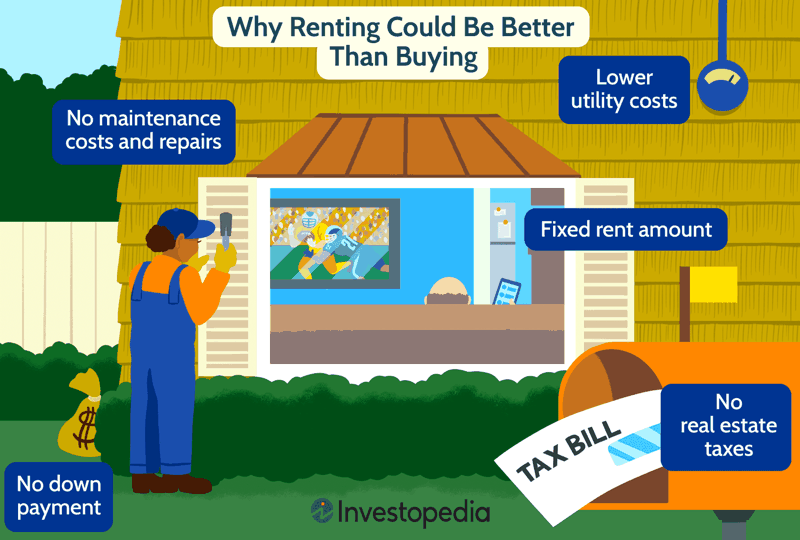
The Case for Renting in 2026

For many, particularly those on 2-to-3-year military orders or corporate contracts, renting provides a low-liability entry point into island life. In a market where utility management is key, renting allows you to focus on the experience rather than the infrastructure.

Benefits of Renting on Guam
  • Agility and Mobility: Guam’s villages offer vastly different vibes. Renting first allows you to explore the northern gate proximity of Yigo or the central nightlife of Tumon before committing to a permanent address.
  • Maintenance-Free Living: Tropical climates can be tough on homes. As a renter, your landlord is responsible for structural upkeep, typhoon shutter maintenance, and appliance repairs.
  • Fixed Monthly Outlay: While rent can increase upon lease renewal, your monthly housing expense is largely predictable, allowing for easier budgeting.

Military Strategy: The OHA Advantage

Service members in 2026 can leverage the Overseas Housing Allowance (OHA) to cover 100% of their rent and a significant portion of their utilities. Renting ensures you maximize this benefit without the out-of-pocket costs of a down payment.

Explore further: The 2026 Military Guide to Guam OHA


The Case for Buying in 2026

In a "Selective Market," buying is about securing a long-term asset. With limited buildable land on Guam, existing properties in prime locations like Barrigada Heights or Tumon continue to show resilience and long-term appreciation potential.

Buying a home on Guam
  • Equity and Wealth Creation: Every mortgage payment is a "forced savings account." By the end of a typical tour, a homeowner often has thousands in equity that a renter simply cannot recapture.
  • The VA Loan & Assumption Power: Military buyers can utilize $0-down VA loans. Furthermore, in 2026, many savvy buyers are looking for VA Loan Assumptions, allowing them to take over a seller's lower interest rate.
  • Total Customization: Want to add a backup generator system or a custom outdoor kitchen? Ownership gives you the freedom to build your tropical oasis without landlord restrictions.

Deep Dive: Top 2026 Military Neighborhoods for Buyers


2026 Village Commute & Market Context

Village Commute to AFB/NBG Market Vibe
Yigo / Dededo 5-15 Mins (AFB) New construction; gated communities.
Tamuning / Tumon 25 Mins (AFB,NBG) High-end condos; luxury dining hub.
Santa Rita / Agat 5-10 Mins (NBG) Scenic South; ideal for Naval Base personnel.

Ready to Make Your Move?

The 2026 market doesn't wait for "perfect" timing; it rewards perfect preparation. Whether you need to run the numbers with our Mortgage Calculator or want to see the latest rental listings, our team is standing by.

Feb. 14, 2026

Price It Right, Sell It Fast: Guam Home Tips

Pricing to Win: The 2026 Guam Seller’s Strategy

Navigate a selective market with data, transparency, and strategic value.

In 2026, Guam’s real estate landscape is defined by Selective Demand. With inventory rising and buyers being more cautious with their financing, your initial price is your loudest marketing statement. Explore the tabs below to structure your sale for success.

Why the "First Look" is Everything

In 2026, most buyers are military families or local professionals who have been watching the market for months. They know exactly what $500k buys. If you overprice, they won't even book a showing.

  • The 14-Day Window: Your highest-quality traffic happens in the first two weeks. Pricing correctly at launch creates the "Fear of Missing Out" (FOMO) that drives competitive offers.
  • CMA Accuracy: Rely on recent closed sales, not active listings. Active listings are what hasn't sold yet—closed sales are the reality.

Utilities: Efficiency Over Liability

While energy costs on Guam remain high, how you save energy matters to a buyer's bank.

⚠️ The Solar Loan Trap: In 2026, buyers are wary of assuming solar loans. These loans add to their debt-to-income ratio, making it harder for them to qualify for their mortgage. If your solar is not fully paid off, it can be a significant hurdle at closing.

What 2026 Buyers Want Instead:

  • Fully Owned Systems: Solar that is paid in full adds massive value to your asking price.
  • Passive Efficiency: High-SEER split AC units, LED lighting, and roof coatings. These enhancements maximize the home's efficiency and buyer appeal without requiring the assumption of additional long-term financial obligations.

Avoid These Common Pitfalls

Even the best homes can "die" on the market if these traps aren't managed:

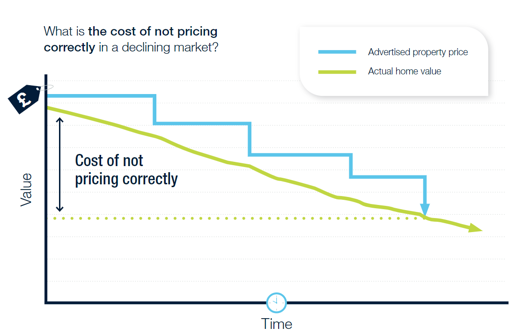
  • The "Test Price": Listing $30k high just to "see" results in 100+ days on market and an eventual sale below market value.
  • Deferred Maintenance "Sticker Shock": Minor issues like leaky faucets or cracked tiles are perceived as major expenses by buyers. They often deduct thousands from an offer for repairs that would cost you much less to fix before listing.
  • Restricted Accessibility: Homes that are difficult to show are homes that don't sell. Relocation families often have very tight windows to view properties; if they can't see your home today, they will likely buy another one tomorrow.
  • Appraisal Gaps: In a selective market, if the home doesn't appraise for your high price, the deal is dead. Price for the appraisal, not just the offer.

2026 Ready-to-Sell Checklist

  1. Deep Clean and Declutter: Focus on high-traffic areas like the kitchen and bathrooms. Clear countertops and personal items to help buyers visualize themselves in the space.

  2. Curb Appeal and Exterior Touch-ups: First impressions happen at the driveway. Ensure the yard is manicured, the entryway is clean, and the home's exterior looks sharp and well-maintained.

  3. Address Minor Repairs: Fix the small things—leaky faucets, chipped paint, or loose door handles. These small fixes prevent buyers from looking for "bigger" problems.

  4. Professional Media Presentation: We will coordinate professional photography. In 2026, most buyers see your home online first; we make sure your property stands out as a premium listing for both local and off-island buyers.

Thinking of Selling in 2026?

Get a Secure Guam valuation to see exactly where you stand against the competition.

Book My Free Valuation
Feb. 11, 2026

The Ultimate 2026 Guam Military Neighborhood Guide: Andersen, Blaz, & Navy

Guam Military Housing Guide 2026

Strategic Village Insights for Every Stationed Unit

Andersen AFB

The Northern Choice: Quiet, suburban, and gated.

📍 Village: Yigo / Dededo ⏱️ Commute: 5–15 mins 🏠 Top Spot: Paradise Estates

Camp Blaz

The Growth Zone: New builds and retail proximity.

📍 Village: Dededo ⏱️ Commute: 10–20 mins 🏠 Top Spot: North Ridge Area

Tamuning

The Center Hub: Best for dining, nightlife, and dual-commutes.

📍 Village: Tamuning / Tumon ⏱️ Commute: 25 mins (to either) 🏠 Top Spot: Talo Verde

Naval Base (NBG)

The Scenic South: Ideal for divers and ocean lovers.

📍 Village: Santa Rita / Piti ⏱️ Commute: 5–20 mins 🏠 Top Spot: Nimitz Hill

Ready to Start Your Virtual Tour?

I help military families secure their dream home on Guam before they even step off the plane.

Message Jae Lee
Posted in Military
Feb. 11, 2026

Stop Renting! How to Use Your Guam OHA to Buy a Home in 2026

Stop Renting! How to Use Your Guam OHA to Buy a Home in 2026

If you just received PCS orders to Guam, you’ve likely been told that Overseas Housing Allowance (OHA) is a "use it or lose it" system. While it’s true that you can’t pocket the leftover cash like you do with BAH stateside, there is a major wealth-building loophole that most service members overlook.

You can use your OHA and Utility Allowance to pay for a mortgage on a home you OWN in Guam.

Instead of spending $3,000+ a month on a rental that builds your landlord’s bank account, you could be using those same federal dollars to buy a tropical investment property. Here’s how the math works in 2026.


1. The OHA vs. Mortgage Reality Check

Many service members assume OHA only applies to leases. However, the Department of Defense allows you to claim OHA for a home you purchase. While the calculation is based on your purchase price and a 10-year amortization schedule, when combined with a VA Loan, your monthly out-of-pocket cost can often be $0.

2. Combine OHA with the 2026 VA Loan Benefits

Guam is one of the premier locations to use your VA Loan entitlement. In 2026, conforming loan limits allow you to secure a $0-down payment loan on high-value homes in prime locations like Tamuning, Barrigada, and Yigo.

  • No Down Payment: Keep your savings for island travel.
  • No PMI: Save hundreds every month.
  • Equity: You aren't just living here; you're investing in a finite island market.

Guam OHA Wealth Builder

Calculate the cost of renting vs. the gain of buying over a 3-year tour.

3. Your Exit Strategy: The Rental Income

The smartest move for military families in Guam is the "Buy and Hold." When you PCS out in 3 years, you don’t have to sell. Guam has a massive rental market fueled by incoming service members. You can rent your home to the next family, using their OHA to pay off your mortgage, creating a permanent stream of passive income.

Pro Tip: Work with an agent who understands the MHO (Military Housing Office) inspection process. We ensure your purchase is "rental ready" for your future tenants before you even move in.

Ready to Stop Renting?

At Guam Dream Homes, we specialize in helping military families transition from OHA renters to island homeowners. Let’s look at your specific OHA rate and find a property that builds your future, not your landlord's.

Message Jae to Start Your Search

Posted in Buying a Home, Military
May 21, 2025

How Does Military OHA Work When Renting a Condo vs. a House in Guam?

How Does Military OHA Work When Renting a Condo vs. a House in Guam?

If you're PCSing to Guam and trying to choose between renting a condo or a single-family house, it helps to understand how your Overseas Housing Allowance (OHA) works with each type of rental. Both condos and houses are eligible for OHA, but the overall experience — from what’s included to long-term value — can differ significantly.

🏢 Condos: What to Expect with OHA

Condos in Guam often appeal to single service members, couples, or small families. Here's what you typically get:

  • Smaller square footage
  • Shared amenities (pool, gym, security, etc.)
  • HOA fees often included in rent
  • May Include Furniture
  • Central locations near beaches or downtown

For OHA, the rental amount must fit within your monthly housing cap. Condos tend to cost less than houses, so you may be able to get a fully furnished unit with nice amenities — and still stay well under your OHA limit.

🏠 Houses: What to Expect with OHA

Houses are ideal for families or those needing more space. When you rent a single-family home:

  • You’ll likely get more bedrooms, yard space, and parking
  • Utilities may cost more due to larger size
  • Yard maintenance may or may not be included
  • Pest control, trash, and other services may be separate
  • You may be located farther from the base

In many cases, you’ll max out your OHA if you choose a house — especially in popular areas like Tamuning, Dededo, or Barrigada.

💸 OHA Differences: Condo vs. House

Feature Condo House
Average Rent Lower Higher
HOA Fees Included or discussed in lease N/A
Utilities Cost Lower due to smaller space Higher in larger homes
Maintenance Mostly covered by building management Tenant often responsible
Amenities Pool, gym, security (shared) Private yard, garage, driveway
Furnishing Often furnished Most unfurnished

📝 What to Watch for in Your Lease

  • Confirm if utilities are paid by you (they usually are)
  • Check if the property is MHO-approved
  • Ask if pest control, trash, and yard service are covered
  • Always get your lease reviewed by Military Housing

🧠 Final Thoughts: Which is Better?

There’s no one-size-fits-all answer. If you're looking for a low-maintenance lifestyle with amenities, a condo may be perfect. If you need space, privacy, and room for your family or pets, a house might be worth the extra OHA.

Whichever you choose, make sure you're working with a property that understands the unique needs of military tenants and is compliant with OHA requirements.

📞 Need Help Deciding?

At Guam Dream Homes, we’ve helped hundreds of military families find the right rental — whether condo or house — based on their OHA and lifestyle needs. Contact us today for personalized options that fit your PCS move to Guam.


Find out more about OHA process click Here

Posted in Military
May 18, 2025

What’s Included in Most Military Rentals in Guam?

What’s Included in Most Military Rentals in Guam? Appliances, Furniture & Utilities Explained

If you're PCSing to Guam, one of your biggest questions might be: "What comes with a military rental?" Whether you're moving with your family or solo, understanding what’s typically included in an OHA-approved home will help you plan your move and avoid surprise expenses.

🛋️ 1. Furnishings: What’s Usually Included?

Many Guam rentals marketed toward military tenants come fully furnished or semi-furnished. Here's what you can usually expect:

  • Living Room: Couch, coffee table, TV stand or basic entertainment console
  • Dining Area: Dining table with 4–6 chairs
  • Bedrooms: Beds (queen or twin), dressers, nightstands, sometimes lamps
  • Window Coverings: Curtains or blinds are typically provided

Note: If you prefer to bring your own furniture, unfurnished options are available.

🔌 2. Appliances: What’s Standard?

Appliances are almost always included in military rentals in Guam. Here’s what you’ll typically find:

  • Refrigerator
  • Stove / Oven (electric or gas)
  • Microwave
  • Washer and Dryer (in-unit or garage)
  • Split A/C units
  • Water heater

Units that lack these may not pass inspection by the Military Housing.

💡 3. Are Utilities Included?

In most OHA-approved rentals in Guam, utilities are not included by the landlord. Instead, military tenants receive a separate utilities allowance as part of their Overseas Housing Allowance (OHA) to cover these expenses.

  • Power (via GPA – Guam Power Authority)
  • Water (via GWA – Guam Waterworks Authority)
  • Trash collection
  • Internet or cable

🌿 4. Yard and Maintenance

Some homes include yard service — especially in gated subdivisions or managed properties. This is a valuable perk in Guam’s tropical environment, where grass grows fast and termites are common.

📄 5. What the Military Housing Office Looks For

Before approving a lease, MHO inspects the property for:

  • Functional smoke detectors, carbon monoxide detector 
  • Working appliances
  • Clean and livable space
  • Proper ventilation and air conditioning
  • Safe electrical and plumbing systems
  •  

If anything is missing, your lease could be delayed or denied for OHA coverage.

🤔 Bonus: What’s Not Usually Included?

Here’s what most Guam military rentals do not include by default:

  • Dishes, cookware, utensils
  • Linens and towels
  • TV or streaming subscriptions
  • Generator (although useful during typhoon season)

📞 Need Help Finding the Right Fit?

Whether you're looking for a fully furnished unit near Andersen or a quiet family home near Naval Base Guam, we’ve got you covered. Contact Jae to get matched with military-approved rentals that fit your lifestyle and your OHA.

Posted in Military
May 15, 2025

PCS to Guam? What Military Families Need to Know About Housing

PCS to Guam? Here’s What You Should Know About Housing Before You Arrive

If you're preparing for a Permanent Change of Station (PCS) to Guam, you're probably wondering how housing works on the island. Whether you're stationed at Andersen Air Force Base or Naval Base Guam, this guide will help you understand the key things to know about housing options, timelines, and what to expect before your boots hit the ground.

🏠 1. You’ll Likely Use OHA, Not BAH

Unlike stateside bases that use BAH (Basic Allowance for Housing), Guam military personnel receive Overseas Housing Allowance (OHA). OHA is based on your rank, dependent status, and actual rent paid — not a flat rate. Your rent must be justified with a lease, and unused OHA doesn’t go in your pocket.

📌 Tip:

Check current OHA rates by rank on the Defense Travel Management Office website.

📋 2. Most Rentals Require Military Housing Office (MHO) Approval

If you're planning to live off-base, the property typically needs to be inspected and approved by the Military Housing Office (MHO). This ensures it meets minimum health and safety standards. Do not sign a lease before MHO approval — or you may not be reimbursed through OHA.

⏳ 3. Start Searching Early — But Be Flexible

Inventory for military rentals moves fast. Many units are listed as "Military Approved" and come furnished or partially furnished. Ideally, begin browsing 30–45 days before arrival, but avoid locking into anything until you're on-island and can physically inspect it or have an agent you trust.

📍 4. Know the Areas Around Base

Here’s a quick overview of where many military families choose to live:

  • Dededo / Yigo: Closest to Andersen AFB; many gated subdivisions and military-preferred homes.
  • Tamuning / Barrigada: Central location with shorter commutes to both bases and access to shopping.
  • Agat / Santa Rita: Closest to Naval Base Guam; more laid-back and scenic coastal living.

📦 5. Temporary Lodging is Limited — Plan Ahead

On-base lodging (NGIS or Andersen Billeting) fills up fast, especially during PCS season. Some families opt for short-term Airbnbs or MHO-approved temporary housing while waiting for their rental to be ready. Ask about temporary lodging reimbursement eligibility.

📄 6. Military Lease Clauses Matter

Most military leases on Guam include a Military Clause that allows early termination without penalty due to new PCS orders, separation, or deployment. Always confirm the clause is present and correctly worded in your lease.

🤝 7. Use a Local Real Estate Agent Familiar with Military Rentals

Not all realtors understand the MHO process or OHA paperwork. Work with a Guam-based agent (like me!) who has experience placing military tenants. I can help you avoid delays and guide you through everything from virtual showings to move-in inspections.

📞 Ready to Get Started?

PCS moves are stressful — but your housing search doesn’t have to be. Contact Guam Dream Homes and we’ll help you find a military-approved rental that fits your OHA and your lifestyle.


Learn more about OHA process and rates here

Posted in Military
May 14, 2025

Guam Leasehold vs. Fee Simple: What Every Buyer Needs to Know

Guam Leasehold vs. Fee Simple: What Every Buyer Needs to Know

When you're buying real estate in Guam, one of the most important — and often overlooked — factors is the type of land ownership: Leasehold or Fee Simple. These terms affect not just your rights as a buyer, but also your long-term equity, financing options, and even your ability to resell the property.

What is Fee Simple?

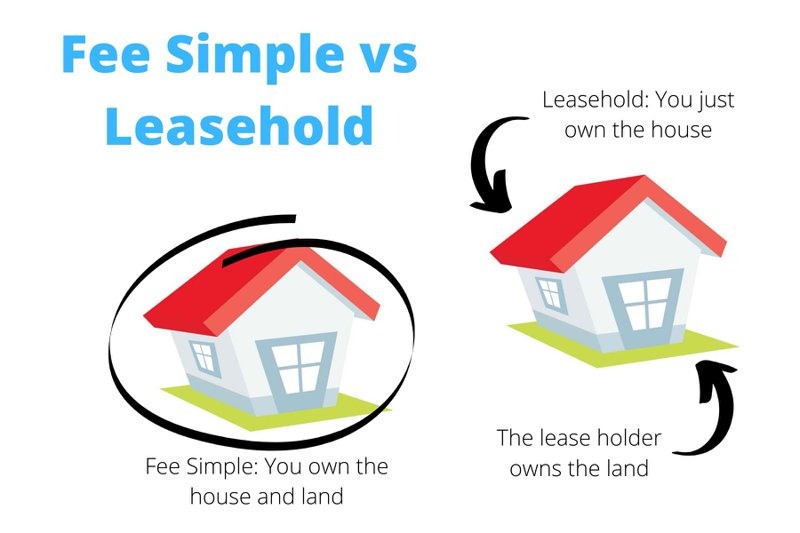
Fee Simple ownership is the most complete form of property ownership. When you buy a fee simple property in Guam, you own both the land and the structures on it indefinitely. You can sell it, lease it, or pass it down through inheritance without restrictions tied to a lease.

🔑 Key Features of Fee Simple:

  • You own the land and all improvements on it.
  • No expiration date.
  • Easiest type to finance with banks or VA loans.
  • Offers the most control and flexibility.

What is Leasehold?

Leasehold means you’re purchasing the right to use the property for a specific period — usually between 20 to 99 years — but you do not own the land. Instead, you lease it from the landowner, who could be a private individual, a company, or a government entity like the Chamorro Land Trust.

🔑 Key Features of Leasehold:

  • You own the home or structure, but lease the land beneath it.
  • The lease has a fixed term and may or may not be renewable.
  • Harder to finance — some banks will not lend on leaseholds.
  • May include land rent payments.

Why It Matters in Guam

In Guam, leasehold land is fairly common, especially in southern areas and in properties managed by the Chamorro Land Trust. While leasehold homes can be more affordable, they come with limitations, especially if you're planning to sell later or need financing.

On the other hand, fee simple properties are more desirable from an investment standpoint because they offer long-term stability and appreciation potential.

Pros and Cons

Ownership Type Pros Cons
Fee Simple - Full ownership
- Easier to finance
- Better resale value
- Higher purchase price
- May have more property taxes
Leasehold - Lower upfront cost
- May include long-term lease options
- Land rent or lease terms apply
- Limited financing
- Lease expiration risk

How to Check Ownership Type

Before you buy any property in Guam, ask your real estate agent to confirm whether it is fee simple or leasehold. This information is found in the title report and property tax records. Always review the lease terms or deed with a legal advisor if unsure.

Bottom Line

Whether you choose fee simple or leasehold depends on your goals, budget, and how long you plan to own the property. For most long-term buyers and investors, fee simple is the preferred option. But leasehold properties can still be a good value — as long as you know what you're signing up for.

If you have questions about land ownership in Guam, contact us today and we’ll help guide you through your options.

Posted in Buying a Home