Understanding Guam Zoning Laws Before You Buy Land

Before buying land in Guam, it's critical to understand the island's zoning laws. Zoning regulations determine what type of structures you can build, how the land can be used, and what restrictions may apply to your property.
In this guide, we’ll break down Guam’s most common zoning types, how to check a property's zoning designation, and what it means for buyers, investors, and builders.
📍 What Is Zoning?
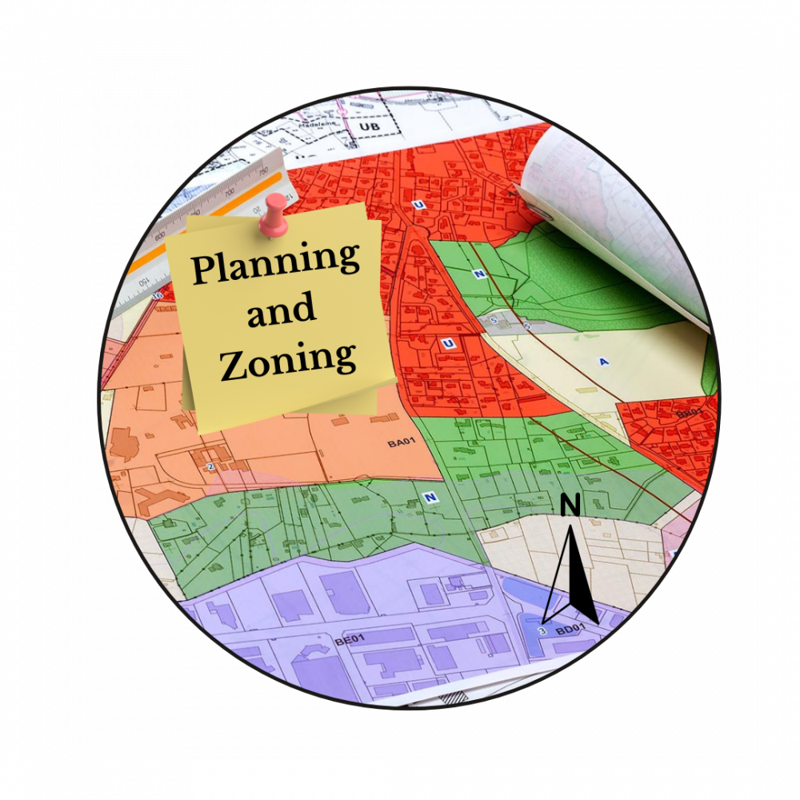
Zoning is a system used by the government to regulate land use. It helps separate residential, agricultural, commercial, and industrial areas, ensuring that development is safe and compatible with surrounding areas.
🏷️ Common Zoning Codes in Guam
- R1 – Single-Family Residential: The most common residential zone. Typically allows one dwelling per lot. Great for homes and subdivisions.
- R2 – Multi-Family Residential: Allows duplexes, apartments, and other multi-unit buildings.
- A – Agricultural: Large parcels of land used for farming, ranching, or off-grid living. Limited construction allowed unless approved.
- C – Commercial: Intended for businesses, retail shops, offices, and mixed-use developments.
- M1 – Light Industrial: Warehouses, storage, and lighter manufacturing uses.
- M2 – Heavy Industrial: Manufacturing plants and heavier industrial operations, with fewer restrictions than M1.
- H – Resort/Hotel: Governs Guam's hotel and resort corridor, including Tumon Bay. If you're looking at commercial property in the tourism district, this is the zone that applies — not C (Commercial).
🔍 How to Check a Property’s Zoning
You can check a property's zoning designation by:
- Requesting a zoning verification from the Guam Department of Land Management (DLM).
- Looking up the parcel map and zoning overlay (available in person at DLM or through your realtor).
- Reviewing any zoning variances or special permits that may already apply to the property.
⚠️ Why Zoning Matters for Buyers
- Building Restrictions: R1 land may not allow duplexes or rental units. Agricultural zones may not permit residential use without a permit.
- Investment Strategy: Multi-family or commercial zones are more flexible for income-generating projects. Resort/hotel (H) zoning is its own category if you're eyeing a Tumon-area investment.
- Loan Eligibility: Lenders may not finance properties that aren’t zoned for residential or business use.
💡 Tips Before Buying Land in Guam
- Always check zoning before making an offer — don’t rely on assumptions.
- If you want to build something outside the zoning rules, ask about applying for a variance or special use permit.
- Work with a local realtor who understands Guam’s zoning and permitting process.
📞 Need Help Navigating Guam Zoning Laws?
Whether you're looking to build a home, start a farm, or invest in rentals, zoning can make or break your plans. Don’t go in blind.
Contact Jae at Brilliant Realty or browse zoning-friendly properties at GuamDreamHomes.com.