The Ultimate Guide to Guam
Real Estate, Lifestyle, and What to Know Before You Move
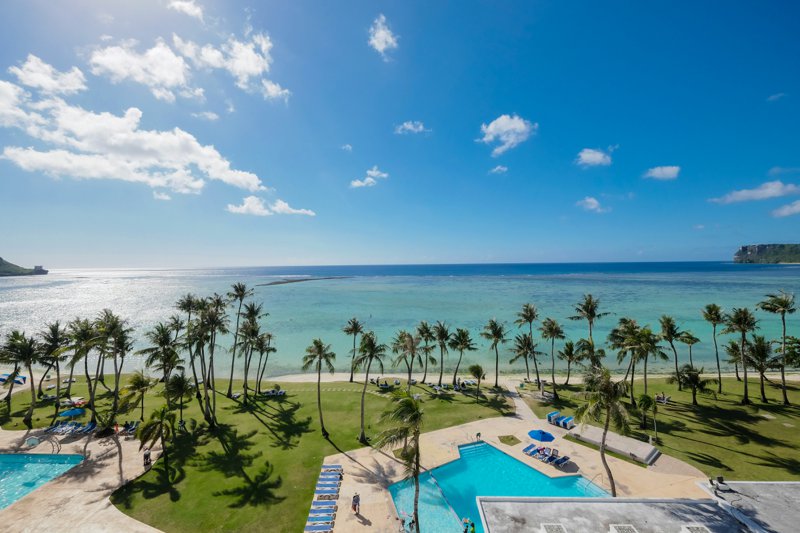
- Welcome to the all-inclusive manual on how to move to Guam, an extraordinary island with a U.S. territory with rich culture, splendid views, and an extraordinary location in the middle of the Pacific Ocean.
- Whether you seek change in the environment or job or even dream of living on an island, Guam is a very appealing option with American and Islander values and influence.
- This guide aims to inform you everything you need to know when you decide to move to Guam and make it your new home. We will expand on major concepts such as the real estate market in Guam and an overview of the region's etiquette.
- This involves information on the current trends in properties, favorable neighborhoods, property options, and tips on purchasing properties and renting. Furthermore, there will be an overview of the legal regulation of the purchase of real estate, including for non-residence, and a description of the price of living concerning the cost of accommodations, groceries, leisure, and other necessities.
- Understanding these elements is very important to anyone planning to relocate to this beautiful island. We will also provide advice on how to deal with time differences, avoid burnout, and keep in touch with friends and colleagues, which is crucial for people with international connections.
- In addition, we will help you learn expectations for the first year, how to get involved in the culture, and tips on how to work and live in the new setting successfully. Come with us as we discuss all you need to know before relocating to Guam, making the transition easier and more exciting.
- Whether you are seeking to purchase a unit in one of the beachfront condos, a home for your growing family, or even a change of pace in your life, this guide will assist in making the process easier and more enjoyable as you embark on your new life in Guam.
Overview of Guam: Location, Culture, History, and Lifestyle
Location and Geography
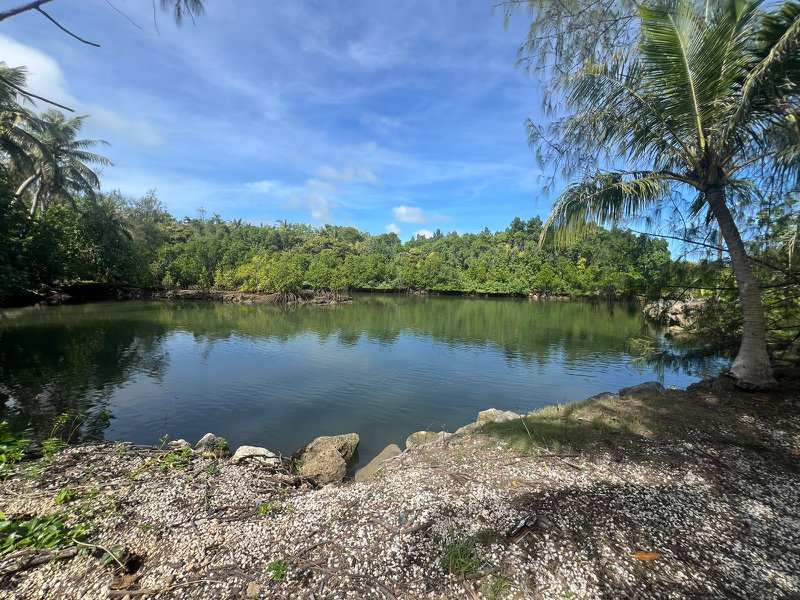
- Guam, the biggest and the southernmost of the Mariana Islands, is in the Western Pacific region.
- This island, an organized unincorporated territory of the United States, is located approximately 3,800 miles southwest of Honolulu and 1,500 miles southeast of the Philippines. Geographically, Guam is a central stop-over and refueling point in the middle of the trans-Pacific journey.
- The island measures approximately 30 miles and is between 9 miles wide, covering 210 square miles.
- The geographical characteristics of Guam are relatively complex, including hills, cliffs, and low-lying grounds with rivers and waterfalls.
- The island's northern third is formed by the limestone plateau with rather steep coasts, which, together with the lack of rivers or streams, results in minor availability of natural fresh water.
- The southern part, however, consists of a volcanic/mountain region with dense forest areas and large varieties of rivers that provide habitation to jungles and wide variation in flora and fauna. Guam has a tropical marine climate—the island experiences warm weather with high humidity throughout the year, influenced by the northeast trade winds.
- It has a monsoon climate, favoring a rainy season from July to November and a dry season from December to June. This climate increases the biotic potential or the capacity of the environment to support a diverse population of plants and animals; it also enables both tropic and subtropic plant species.
Culture and History
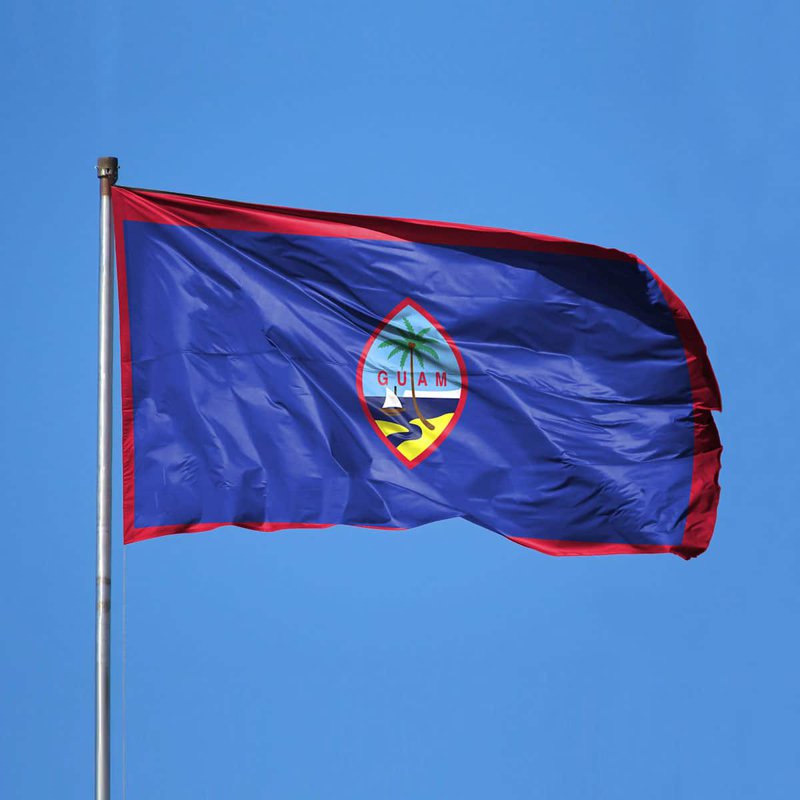
- Therefore, Guam's history is complex and marked by political turnovers from one colonial master’s hand to another. The indigenous people of Chamorro first inhabited Guam about 4000 years back.
- Their populous and elaborate lifestyle, proficient in bloodletting and food procurement, existed until colonial intrusion in the sixteenth century. The first European to set foot on Guam was Ferdinand Magellan in 1521 while he was circumnavigating the globe for the Spanish.
- Spanish colonization started in 1668 and changed the Chamorro way of life through cultural and demographic infiltration, including the introduction of Roman Catholicism. Guam stayed in Spanish territory until the Spanish-American War; they handed Guam to the United States in 1898.
- During the Second World War, it was seized by Japan immediately after the assault on Pearl Harbor but was reclaimed by American troops in 1944 in the vicious fighting of Guam.
- This led to the rapid development of Guam, especially in the post-war years, due to its military significance for the United States. It has a diverse culture due to the colonization by Spain, occupation by Japan, and finally, the Americans, all of which have left their marks on the language and lifestyle on the island.
Lifestyle

- Today, the people of Guam consist of Chamorro, Filipinos, Asians, and Americans making a melting pot culture, evidenced in everything from eating habits and entertainment to interaction. The general population of Guam is known to be rather relaxed, with a large value placed on family and kinship.
- The locals are friendly and are often seen in events such as the village fiestas, which are major events wherein foods, music, and dancing are prepared in honor of the feast of patron saints.
- There is a heavy emphasis on outdoor leisure activities in Guam, with tourists fully exploring its wonderful Geography.
- But there are some attractions that one can indulge in: Hiking to treasured waterfalls, snorkeling in Tumon Bay among corals, and seeing war relics and various historic sites on the island.
- The outer reefs diving attract adventure seekers by exposing them to various sea creatures in clear water.
- In addition, cultural and sporting activities take place in Guam year round, including the Guam Micronesia Island Fair, which celebrates this jewel of Micronesia through exhibits of arts and crafts, dances, foods, etc. The
- The Guam Marathon happens once a year, and the participants come from across the world to enjoy the rich tourist season on the island.
Understanding Guam Real Estate: Current Trends, Popular Locations, Types of Property Available, and Tips for Buying or Renting
Current Real Estate Trends
- The real estate market of Guam possesses various peculiarities due to the island’s geopolitical importance as a strategic American base for its military forces and a vital tourist center. Property prices have risen in the last ten years, indicative of the island's increasing economic stability and investment opportunities.
- The increase of U.S. military bases, particularly the relocation of Marines from Okinawa to Guam, brought confidence and huge cash into local property.
- For instance, the expectation of this accumulation of the military, which is believed to bring about the increased population in a particular region, has triggered a developmental desire for both the housing market and structures in general.
- Another important function is tourism because it affects the commercial real estate market by controlling the demand for space for accommodation and services.
- Before the pandemic, the number of tourists continued rising, with a record-high number of over 1.6 million visitors in 2019. This factor impacts the rental market and property purchases, especially in tourist hotspots.
Effects of Military Presence and Tourism on Real Estate
- The growth of the military not only necessarily leads to the provision of residential and commercial buildings but also helps to develop economic effects by increasing employment demands and demands for other products and services.
- This is especially true if the property is located near military establishments like Dededo, where rental returns are higher and vacancy rates lower than in other areas.
- Tourism is seasonal, and it stimulates the cyclic movement of Guam’s economy, where during periods of high tourism, rent charges and occupancy go high, particularly in Tumon Bay and other related northeastern areas.
- This cyclic behavior ensures that developers participate in building expensive condominiums and luxurious resorts that fill the demand of constantly changing short-term users while taking advantage of the optimum demand for waterfront locations.
Popular Locations
Tumon Bay:
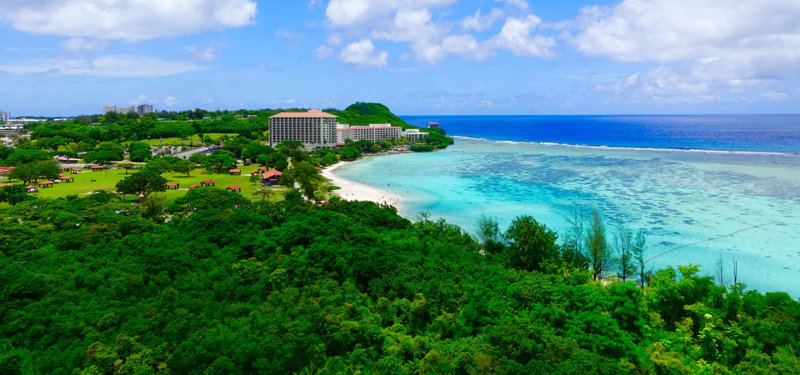
- Tumon Bay is Guam's most popular tourist area, featuring luxury resorts, high-rise condos, and beautiful sandy beaches that attract tourists and investors.
- Houses here are some of the most expensive on the island; beachside condos with prime facilities are some of the island’s most expensive, often going for $500 per square foot.
Tamuning:
- Tamuning is the business center near the airport and downtown Hagåtña City. It provides both, and with an array of accommodations and amenities, it makes it perfect for those willing to work near.
Dededo:
- Popularly associated with lower average house prices and closeness to Andersen Air Force Base, Dededo draws a wide population.
- For first-time home buyers and military couples, this location is made of single homes, townhouses, and apartments are slightly less expensive than in Guam’s central regions.
Types of Property Available
Condominiums:
- These are particularly common in Tumon and Tamuning, as the occupants of the buildings include both the tourists and the working class.
- The market ranges from older, cheaper flats costing as low as 200,000 USD to new luxurious compounds that cost millions of U.S. dollars and have amenities that include a swimming pool, gym, and security gate, among others.
Single-Family Homes:

- These properties are located everywhere in Guam but are more focused in suburban regions such as Dededo, where community developments are established to create a bigger space for families.
- The cost of such homes, however, ranges from $250,000 up to $1 million depending on such factors as the size of the lot and or even the view, which may provide an ocean view.
Land:
- Lands are less restricted when it comes to development; they are ideal for constructing own houses or developing properties.
- The price on undeveloped land can start as low as $ 40 per square meter if in the less developed region and up to $ 500 plus per square meter if in the prime commercial or along the beach fronts.
Tips for Buying or Renting

Buying Process:
Financial Preparation:
- Check your financial situation by getting pre-approval for a mortgage, which will help you define your budget and become stronger in bargaining.
- Learn more about getting Mortgage
Realtor Partnership:
- Select a competent local real estate agent who will help you access the listings and additional information on the trends in the market as well as other legal issues.
Property Evaluation:
- Consider location, future development potential, and resale value when selecting properties.
Negotiation and Inspection:
- Engage in negotiations informed by a thorough inspection to ensure the property meets all expected standards without significant unforeseen issues.
Legal Closure:
- Finalize your purchase with a trusted attorney or real estate agent to handle contracts and ensure compliance with local real estate laws, securing your new property legally.
Renting:
Market Research:
- Understand local market rates for rental properties in your preferred area to ensure you get fair value.
Lease Review:
- Carefully review lease agreements to understand terms regarding deposits, maintenance, and lease termination to avoid potential disputes.
Move-in Inspection:
- Conduct a detailed inspection with your landlord present to document existing conditions and ensure all fixtures and appliances are in good working order.
- *Everything about OHA Process for Military
Legal Aspects of Buying Property in Guam: What Non-residents Need to Know
- Buying and leasing properties in Guam are open to foreigners, yet they are subject to certain legislation and policies. Knowledge of these legal regimes is very important in order to have a good transaction of properties.
- Guam allows non-residents to purchase real estate but they need to abide some certain limitations and regulations which may include restriction on the amount of land that can be owned by a non-resident and kinds of property that they can acquire.
Necessary Legal Procedures and Documentation for Buying Property
- The process of buying property in Guam for non-residents involves several key steps, each requiring specific documentation and adherence to legal procedures:
Engage a Local Real Estate Agent:
- It is therefore advisable that one hires the services of a reliable local agent who is well conversant with the Local Guam Real Estate market.
Secure Financing:
- When necessary, non-residents will need to seek financing from financial institutions within Guam. Some banks will have a lending policy for nonresidents, and this will often accompany a higher down payment.
Signing the Purchase Agreement:
- Once all the verification processes have been over and financials have been secured then the two can both sign the purchase agreement.
- This document should include every conceivable aspect of the sale, such as payment terms, boundaries of the property and any other terms that are agreed to by the buyer and the seller.
Title Search and Insurance:
- A title search should also be completed to make sure that there are no outstanding encumbrances on the property. Title insurance is also required to prevent and cover any legal issues that may occur after the purchase of the property.
Property Inspection:
- Finally when the buyer is set to make the purchase of the property a detailed overrun should be conducted to check whether there are any defects that may be detrimental to the owner in future.
Closing the Sale:
- The final step involves transferring the title and registering the deed with the local government. This process generally requires the services of a lawyer or title company to ensure that all documents are in order and the transfer is legally binding.
Potential Legal Pitfalls and How to Avoid Them
- Buying property in a foreign territory comes with its share of risks. Non-residents should be particularly cautious of several potential pitfalls:
Failure to Comply with Local Laws:
- Non-residents may be unfamiliar with Guam's specific legal requirements regarding property transactions. It's crucial to either hire competent legal counsel familiar with local real estate laws or thoroughly educate oneself about the legalities involved.
Zoning Laws and Restrictions:
- Ignorance of local zoning laws can result in purchasing property that cannot be used for the intended purpose. Always verify the zoning restrictions of the property before proceeding with the purchase.
Incomplete or Fraudulent Documentation:
- Ensure all documents are complete and accurate. There have been instances where non-residents have fallen prey to fraudulent schemes involving property sales. Always verify the authenticity of the documents and the identity of the seller.
Environmental Regulations:
- Some properties may be subject to environmental regulations that restrict development or require additional permits. These regulations can be complex, involving both local and federal laws, especially in areas close to protected natural resources or historical sites.
- To avoid these pitfalls, it is advisable to assemble a team of local experts, including a real estate agent, a lawyer, and possibly a financial advisor, who can provide guidance through each stage of the buying process. This team can help ensure that all legal requirements are met, the property meets the buyer’s expectations and needs, and the investment is secure.
Time in Guam: Adjusting to Time Zones, Managing Work-Life Balance, and Staying Connected Internationally
Adjusting to Time Zones
- Guam operates on Chamorro Standard Time (GMT+10), which places it ten hours ahead of Greenwich Mean Time and up to 17 hours ahead of some parts of the United States during certain periods of the year.
- This significant time difference presents unique challenges and opportunities for residents, especially those conducting business with contacts on the mainland U.S. and other countries.
Challenges for Newcomers:
- The biggest challenge is the coordination of communication across different time zones, which can affect everything from business meetings to personal calls. For example, when it’s noon in Guam, it’s only 7 p.m. the previous day in Los Angeles and 10 p.m. in New York during standard time.
- This can lead to delays in communication and may require adjustments in work hours to accommodate important live interactions.
Tips for Managing Business:
- Maximizing productivity across time zones requires strategic planning. Utilizing tools like Google Calendar that adjust for time differences can help schedule meetings that are convenient for all parties.
- Additionally, adopting asynchronous communication methods such as emails and collaborative platforms like Slack or Microsoft Teams can allow for continuous progress without needing immediate responses.
Work-Life Balance
- Guam's cultural emphasis on family and community significantly influences its work culture. The island's pace of life is noticeably slower compared to large U.S. urban centers, reflecting the laid-back lifestyle typical of many Pacific Island communities.
Understanding the Local Work Culture:
- Businesses in Guam typically operate on a standard eight-hour day, but there may be a more relaxed approach to starting and ending times. The local work culture highly values interpersonal relationships, often extending business negotiations as social interactions are an important component of professional dealings.
Strategies for Maintaining Balance: To effectively balance work and leisure in Guam, newcomers should:
- Prioritize and manage tasks efficiently to make the most of productive hours.
- Set clear boundaries between work and personal life, especially if working remotely or with businesses in different time zones.
- Engage actively in the local community and social activities, which not only helps to relax but also aids in networking and understanding the cultural context better.
Staying Connected
- Despite its remote location, Guam has robust telecommunications services that help residents and businesses stay connected globally.
Recommendations for Communication and Internet Services:
- Major telecommunications providers in Guam include GTA, IT&E, and Docomo Pacific, offering competitive services that range from mobile phone plans to high-speed internet. For instance, fiber-optic internet options are widely available, providing fast and reliable service essential for both homes and businesses. If you reside in a single-family home or condo with space for installing a Starlink dish in an unobstructed area, this satellite internet option could be a valuable alternative for staying connected.
- Mobile data plans in Guam are comparably priced to those in the continental U.S., with packages often starting around $40 a month for basic data, calls, and texts.
Keeping in Touch with Family and Friends Abroad: To maintain strong personal connections:
- Leverage technology such as VoIP services like Skype, WhatsApp, or Zoom, which are cost-effective and widely used globally. These platforms are indispensable for video calls and messaging.
- Schedule regular communication windows that align with time zones of friends and family abroad to ensure consistent and reliable contact.
- Utilize social media platforms for sharing significant life updates or day-to-day happenings, which keeps distant loved ones involved in one’s life despite the physical distance.
- By navigating these aspects thoughtfully, expatriates and residents can effectively manage their professional responsibilities while enjoying a fulfilling personal life, making the most of what Guam has to offer.
- The key is proactive planning and embracing the tools and cultural practices that facilitate a smooth adjustment to life on the island.
Cost of Living in Guam: A Comparison of Real Estate and Lifestyle Expenses
- Understanding the cost of living in Guam is essential for anyone considering moving to the island. From housing and daily necessities to leisure activities, knowing what to expect financially can help potential residents plan and budget effectively.
Housing Costs
- Housing is typically one of the most significant expenses for any household, and Guam is no exception. The real estate market on the island offers a range of options, from luxury beachfront properties to more modest single-family homes.
Comparison with Mainland U.S.:
- The median home cost in Guam is around $425,000, which can vary widely depending on the location and type of property.
- For comparison, the median home price in the United States as of late 2021 was approximately $375,000. However, in coastal cities and popular expatriate destinations on the mainland, prices can be significantly higher. For example, median prices in California can exceed $800,000.
Rentals:
- Rent in Guam also varies by location and property type. A median cost of rental unit is $1600 per month, ranging from $600~$4,410. While more luxurious or larger properties in prime areas like Tumon Bay could go for $6,000 per month.
- In comparison, average rental prices in the U.S. can range significantly based on the city and state, with metropolitan areas like New York or San Francisco fetching much higher prices.
Daily Expenses
- Day-to-day expenses in Guam are influenced by the fact that most goods are imported, which can drive up prices.
Groceries:

- The cost of groceries in Guam is generally higher than in the mainland U.S. For instance, a gallon of milk might cost around $7, and a loaf of bread around $4. This is about 30% to 50% higher than average prices on the mainland.
Utilities:
- Monthly utility costs for a standard household can average around $250 to $400, depending on usage.
- This includes electricity, water, and garbage services. Electricity rates in Guam are notably higher due to the reliance on imported oil for power generation, averaging around $0.26 per kWh compared to the U.S. average of about $0.13 per kWh.
Transportation:

- Owning a car is most in Guam due to limited public transportation options. Gas prices tend to be higher than the mainland average, typically hovering around $6.00 per gallon. This compares to the U.S. national average, which fluctuates around $3.00 per gallon.
Healthcare:
- Medical expenses in Guam can also be higher, especially for services that require off-island care due to limited local specialty medical services. Health insurance is highly recommended, and premiums may be costly.
Lifestyle Expenses
- Living in Guam allows for enjoying various activities, from outdoor adventures to fine dining and entertainment, though these can also add to the cost of living.
Dining Out:
- Dining out in Guam can vary from affordable local eateries offering meals at $10-$15 per person to high-end restaurants where dinner can cost $50-$100 per person. The presence of international cuisine reflects the island's diverse population.
Entertainment and Recreation:
- Guam offers plentiful recreation opportunities, especially outdoor activities such as diving, snorkeling, and hiking.
- For example, a typical diving excursion can cost around $100 per person. Entertainment like movie tickets and nightlife will generally be on par with U.S. prices, with cinema tickets costing around $10-$12.
Cultural and Social Events:
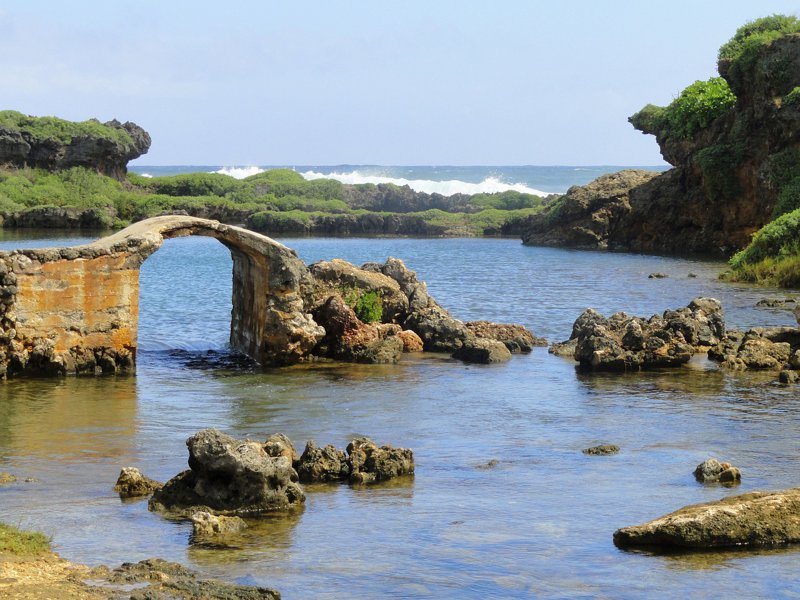
- Participating in local festivals and events is an affordable way to enjoy Guam's culture. Many community events are free or charge a nominal fee, providing cost-effective entertainment and social interaction opportunities.
- While some aspects of living in Guam, like housing and utilities, may be comparably priced or slightly cheaper than high-cost areas in the U.S., other costs like groceries, transportation, and healthcare can add a premium due to the island's remote location.
- Prospective residents should budget accordingly and consider these factors when planning their move to ensure a smooth transition to life on this beautiful Pacific island.
What to Expect in Your First Year Living in Guam: Tips for Newcomers
- Moving to a new location like Guam involves various adjustments and challenges. Here’s what you can expect in your first year on the island, including practical advice to help you settle in smoothly.
Adjustments in the First Few Months
Climate:
- Guam enjoys a tropical marine climate, with average temperatures ranging from 75°F to 86°F (24°C to 30°C).
- The year is split into two main seasons: the rainy season from July to November and the dry season from December to June. Newcomers from temperate climates may need time to acclimate to the humidity and heat. Staying hydrated, using sun protection, and investing in air conditioning for your home can make the transition more comfortable.
Culture Shock:
- Guam's culture is a vibrant blend of Chamorro traditions, Spanish influences, and American modernity.
- English and Chamorro are the official languages, with English predominantly used in business and education. New residents might experience culture shock as they adjust to the local social norms and lifestyle, which can be more relaxed and family-oriented than many Western cultures.
- Engaging with the community through local events and cultural festivals can help you appreciate and understand the rich cultural tapestry of Guam.
Tips for Integrating into the Community
Learn Local Customs and Language:
- While English is widely spoken, learning a few phrases in Chamorro can go a long way in showing respect and building rapport with local residents.
- Understanding and participating in local customs, such as the Fiesta celebrations (where families open their homes to celebrate their patron saint with food and music), also demonstrate your willingness to integrate and can enrich your social life.
Commonly Used Chamorro Words
- Håfa Adai – Hello (A common greeting similar to "Aloha" in Hawaiian)
- Si Yu'os Ma'åse' – Thank you
- Buenas – Hi or Good day
Connect with Local Groups and Expatriate Communities:
- Joining clubs or groups that align with your interests can help you meet people and make friends. Whether it’s a sports league, a hiking group, or a volunteer organization, these activities can provide a supportive network.
- Expatriate groups in particular can be invaluable in helping you navigate your first few months and offering advice from their own experiences.
Participate in Community Events:
- Guam is home to numerous festivals and events that celebrate its unique culture and history, such as the Guam Micronesia Island Fair and the Liberation Day Parade.
- Participating in these events can help you feel more connected to the community and is a fun way to learn more about the island.
Handling Emergencies and Healthcare
Emergency Services:

- Guam's emergency services are accessible by dialing 911, which connects you to police, fire, and medical services. It’s important to familiarize yourself with the nearest hospitals and clinics to your home.
- The Guam Memorial Hospital in Tamuning and the Guam Regional Medical City are the two main hospitals equipped to handle a range of medical situations.
Healthcare System:
- While Guam has capable healthcare facilities, some specialized medical services and treatments are not available on the island, and patients may need to travel to Hawaii or the mainland U.S. for certain conditions. Therefore, having a good health insurance plan that covers medical evacuation is crucial.
- The average cost for health insurance varies but expect to spend between $100 to $400 per month depending on the level of coverage.
Natural Disasters:
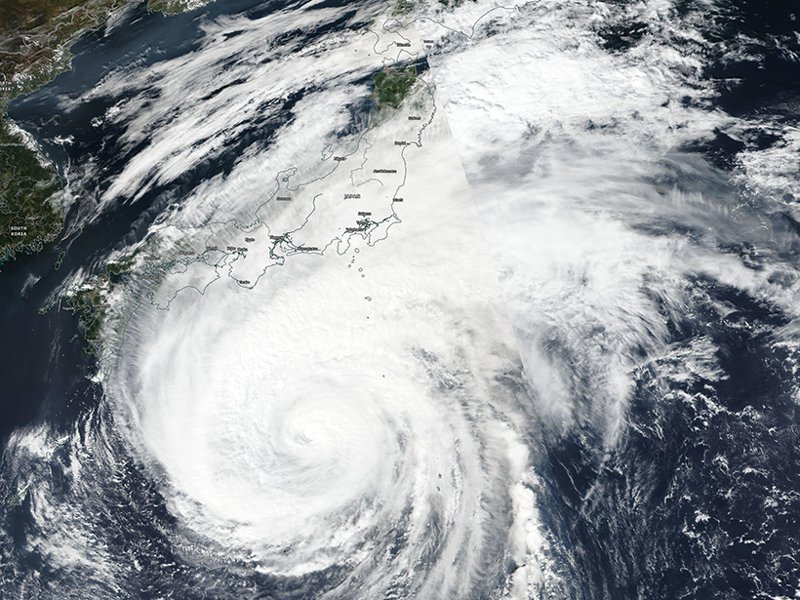
- Being in the Pacific Ring of Fire and a route for typhoons, Guam is prone to natural disasters like earthquakes and typhoons. New residents should prepare an emergency kit, understand local evacuation routes, and stay informed through local media and the U.S. National Weather Service's Guam office.
- Adjusting to life in Guam is an exciting and dynamic experience that can offer personal growth, new friendships, and a deeper appreciation for diverse cultures. By embracing the local lifestyle, engaging with the community, and preparing for practical aspects of living in the Pacific, you can make your first year in Guam a fulfilling and memorable adventure.
FAQs About Guam Real Estate and Relocation
What are the typical costs involved in buying a property in Guam?
- The costs of buying property in Guam are similar to those in the mainland U.S. They include the purchase price, real estate agent fees (typically 4-6% of the purchase price), closing costs (which can range from 3-6% of the purchase price), and property taxes (which are notably lower than many places in the U.S.). Property taxes on Guam are approximately 0.18% of the assessed value, one of the lowest rates in the nation.
What is the process for buying property in Guam?
The process generally involves:
- Finding a property: This usually involves researching online listings or working with a real estate agent.
- Financing: Securing a mortgage from a bank if not buying outright. Pre-approval for a mortgage is recommended before house hunting.
- Making an offer: Once a property is chosen, an offer is made and negotiated.
- Closing: Involves property inspections, finalizing the mortgage, and signing the deed. This process typically takes 45-60 days.
Are there any cultural considerations I should be aware of when moving to Guam?
- Yes, Guam has a unique local culture influenced by its Chamorro heritage and histories of Spanish, Japanese, and American rule. It's important to respect local customs and participate in community events.
- Being open to local traditions and social norms can greatly enhance your integration into the community. For instance, it's common for locals to share food and celebrate together during village fiestas, a practice that newcomers are usually welcomed to join.
How should I prepare for the weather in Guam?
- Guam experiences a tropical climate, with a rainy season and a dry season. Preparing for typhoons is crucial, including having a typhoon readiness kit, securing property insurance that covers storm damage, and understanding local evacuation plans.
- Daily weather can be hot and humid, so lightweight clothing and air conditioning in homes are recommended.
What healthcare options are available in Guam?
- Guam has several healthcare facilities, including the Guam Memorial Hospital and Guam Regional Medical City, which offer a range of services. However, specialized medical treatments may require travel off-island. It's advisable to have comprehensive health insurance that includes coverage for medical evacuation.
What is the best way to find a rental property in Guam?
- Renting in Guam can typically be handled through local real estate agencies, online real estate portals, or community groups on social media platforms. It’s important to inspect properties in person and understand lease terms fully before signing.
- Rentals can vary widely in terms of quality and amenities, so it’s advisable to consider several options before making a decision.
Final Words
- In conclusion, moving to Guam can be a rewarding adventure, filled with new experiences and opportunities to grow both personally and professionally. With the right preparations and a spirit of adventure, you can make the most of all that Guam has to offer.
- If you are considering buying property or need tailored real estate advice, visiting Guam Dream Homes is an excellent step.
- As a trusted resource with a comprehensive understanding of the local market, Guam Dream Homes can provide expert guidance and support, helping you find the perfect home or investment opportunity in this beautiful island paradise.
- Contact Guam Dream Homes today to begin your journey to a new life in Guam.